
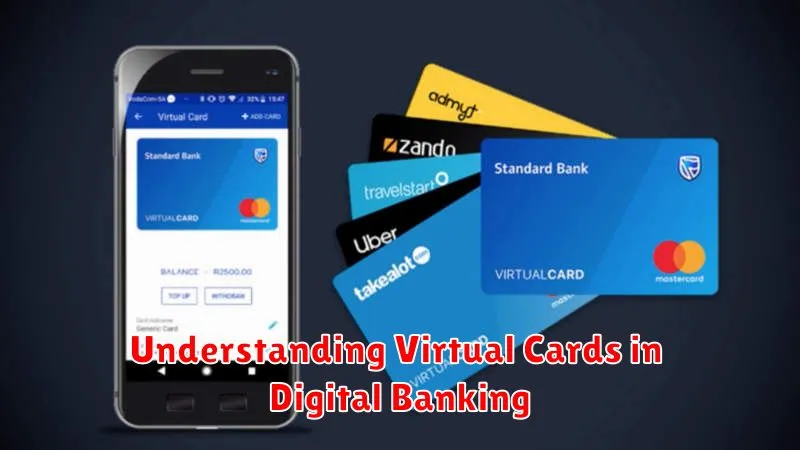
In today’s rapidly evolving digital landscape, virtual cards are transforming the way we conduct financial transactions within the realm of digital banking. Understanding the intricacies of these digital payment tools is crucial for both consumers and businesses seeking enhanced security, control, and convenience in their online and mobile banking experiences. This article will delve into the mechanics of virtual cards, exploring their benefits, applications, and how they are reshaping the future of digital banking.
Virtual cards offer a powerful alternative to traditional physical cards, providing an added layer of security against fraud and data breaches, which are increasingly prevalent in the digital banking environment. They empower users with greater control over their spending by allowing them to generate unique card numbers for specific transactions or merchants. Furthermore, the flexibility and ease of use offered by virtual cards are contributing to their widespread adoption across various digital banking platforms. From simplifying online shopping to streamlining expense management, virtual cards are becoming an indispensable tool in the modern financial toolkit.
What Are Virtual Debit and Credit Cards?
Virtual debit and credit cards are digital versions of traditional payment cards. They offer a secure and convenient way to make online purchases and manage subscriptions.
Instead of a physical card, virtual cards exist as a set of unique card numbers, expiration dates, and security codes (CVV). These details are generated on demand, providing an extra layer of security against fraud.
Like their physical counterparts, virtual debit cards draw funds directly from your checking account. Virtual credit cards work similarly to regular credit cards, allowing you to borrow funds and repay them later.
How Virtual Cards Work with Your Bank Account
Virtual cards are directly linked to your existing bank account. They don’t operate as a separate account.
When you make a purchase with a virtual card, the transaction details are transmitted to your bank, and the funds are deducted directly from your available balance, just like with a physical card.
This means your spending is tracked within your regular banking app or online portal, offering a unified view of your finances.
Benefits for Online Transactions
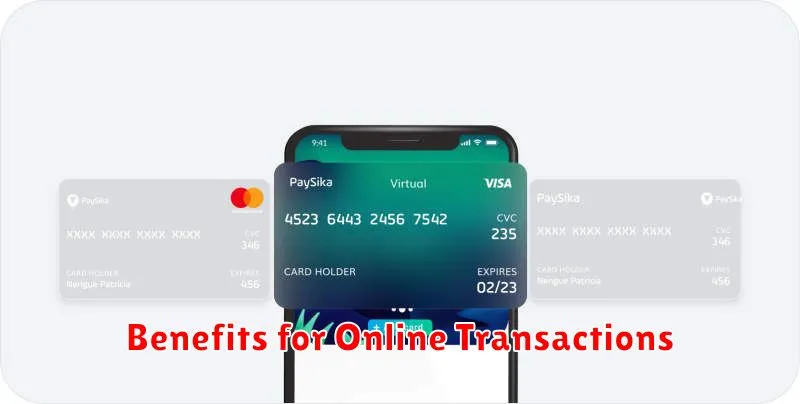
Virtual cards offer several advantages for online transactions. Enhanced security is a primary benefit, as virtual card numbers can be used for single transactions or with specific merchants, limiting the impact of data breaches. They provide increased control over spending by setting spending limits and expiration dates. This makes them ideal for subscriptions and recurring payments.
Convenience is another key advantage. Virtual cards can be generated instantly within your digital banking app, eliminating the need to carry a physical card. Finally, using virtual cards offers greater privacy as your actual card details are not shared with online merchants.
Protecting Against Card Cloning and Fraud
Virtual cards offer a significant advantage in combating card cloning and fraud. Because they aren’t physical cards, they cannot be physically stolen or skimmed.
Each virtual card can be assigned a unique card number, expiration date, and CVV code, further enhancing security. This makes it much more difficult for fraudsters to make unauthorized purchases even if they manage to obtain some of your virtual card information.
Some providers allow for single-use virtual cards or setting spending limits. These features provide an additional layer of protection, limiting the potential damage from a compromised card.
Managing Limits and Disposable Options
A key advantage of virtual cards is the granular control they offer over spending. Users can set transaction limits, restricting the amount that can be charged to the card. This is particularly useful for online subscriptions or recurring payments.
Disposable virtual card numbers offer enhanced security for online purchases. These numbers can be used once and then expire, minimizing the risk of fraud if a merchant’s system is compromised.
Where You Can Use Virtual Cards
Virtual cards offer broad usability, functioning much like physical cards for a variety of online transactions. They are particularly well-suited for online shopping, enabling secure payments for goods and services.
Beyond e-commerce, virtual cards excel in managing subscriptions. Their temporary or limited-use nature provides greater control over recurring billing. Additionally, they are valuable for international transactions, offering a secure alternative to using your primary card details abroad.
Setting Up a Virtual Card Securely
Setting up a virtual card securely involves a few key steps. Begin by logging into your online banking portal or mobile app. Locate the virtual card section, often found under “Cards” or “Account Services.”
Select the option to generate a new virtual card. You may be prompted to choose a spending limit and expiration date for the card. Verify your identity through two-factor authentication or other security measures implemented by your bank.
Once generated, make note of the card details, including the card number, CVV, and expiration date. Some banks allow you to rename your virtual cards for easier management. Store these details securely within the app or your password manager.
