
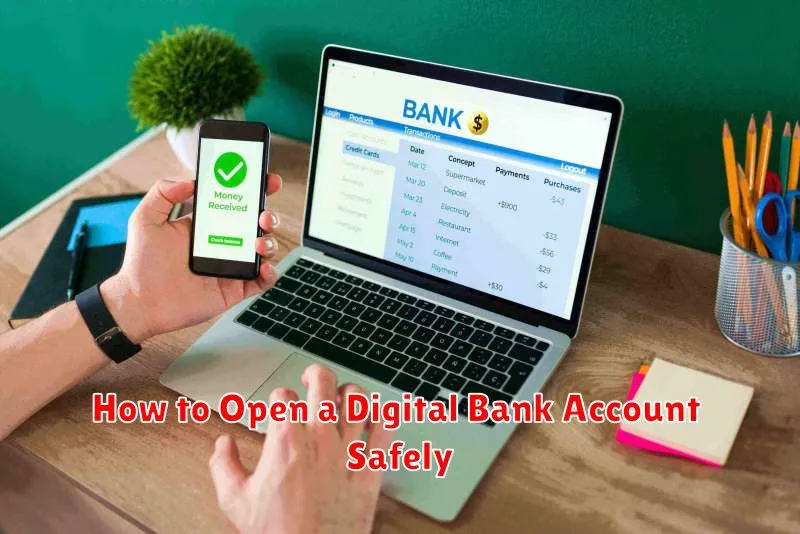
In today’s rapidly evolving digital landscape, managing your finances online has become essential. Opening a digital bank account offers a convenient and efficient way to handle your money, providing secure access to your funds, streamlined transactions, and often, lower fees. However, with the rise in online banking comes the potential for security risks. This article will provide a comprehensive guide on how to safely open a digital bank account, ensuring your financial information remains protected. We’ll cover essential steps from choosing a reputable digital bank to establishing secure login credentials and implementing two-factor authentication.
Navigating the process of opening a digital bank account can feel daunting, especially with the concerns surrounding online security. This guide is designed to simplify the process and empower you to make informed decisions. We will discuss how to evaluate digital banks based on their security measures, emphasizing the importance of strong passwords, recognizing phishing scams, and understanding the role of encryption in protecting your sensitive data. By following these practical steps, you can confidently open a digital bank account and enjoy the benefits of online banking while mitigating potential risks.
Steps to Opening a Digital Account
Opening a digital bank account is typically a straightforward process. First, choose a reputable digital bank. Research different options and compare features, fees, and security measures.
Next, you will need to download the bank’s mobile app or visit their website. Begin the application process by providing the required information, such as your name, address, and social security number. You will also need to verify your identity, often through a government-issued ID.
Finally, fund your new account. This may involve linking an existing bank account or transferring funds electronically. Once the funds are available, your account is ready to use.
Documents You’ll Typically Need
Opening a digital bank account is generally straightforward and requires similar documentation to a traditional bank. You’ll need to provide proof of identity, typically a government-issued ID like a driver’s license or passport.
Proof of address is also necessary. This could be a utility bill, bank statement, or official government correspondence. Some digital banks may also require Social Security Number (SSN) or other identification numbers for verification and regulatory compliance.
Verify the Legitimacy of the Provider

Before entrusting your finances to a digital bank, verify its legitimacy. Confirm the bank is licensed and regulated by a recognized financial authority. Look for information about the bank’s history, management team, and financial stability.
Check for contact information, including a physical address, phone number, and email address. A legitimate institution will provide transparent and accessible ways to reach them.
Understand Terms and Fee Structures
Before opening a digital bank account, thoroughly review the terms and conditions. Pay close attention to any fees associated with the account. Common fees can include monthly maintenance fees, overdraft fees, and ATM fees. Some digital banks may also charge for specific services like international transfers.
Compare the fee structures of different digital banks to find one that aligns with your financial needs. Look for transparent fee disclosures. Understanding the fees upfront can help you avoid unexpected charges and manage your finances effectively.
Use Strong Passwords and 2FA
Creating a strong and unique password is the first line of defense. Avoid easily guessable information like birthdays or pet names. Instead, utilize a combination of uppercase and lowercase letters, numbers, and symbols. A password manager can help you generate and store complex passwords securely.
In addition to a strong password, enable two-factor authentication (2FA). 2FA adds an extra layer of security by requiring a second verification method, such as a code sent to your phone or email, in addition to your password. This makes it significantly harder for unauthorized access, even if your password is compromised.
What to Do If Something Goes Wrong
Despite precautionary measures, issues can still arise. If you encounter unauthorized access, immediately contact your digital bank’s customer support. Change your password and monitor your account for further suspicious activity.
If you experience technical difficulties or suspect a phishing attempt, document the issue with screenshots and communication records. Report the incident to the bank’s support team for assistance.
Keep Your Info Updated Securely
Maintaining accurate and up-to-date information is crucial for the security of your digital bank account. Regularly review your contact details, such as your phone number and email address, and update them promptly if any changes occur. This ensures you receive important security notifications and can quickly recover your account if necessary.
When updating your information, verify you are on the legitimate bank website or app. Be wary of phishing attempts. Use strong, unique passwords for your online banking and email accounts. Enable two-factor authentication for an added layer of security, making it more difficult for unauthorized access.
