
In today’s digital age, online banking offers unparalleled convenience. Managing finances from anywhere, at any time, is undeniably appealing. However, this convenience comes with inherent risks. Online banking safety is paramount, and understanding the potential threats is the first step to protecting your hard-earned money. This article will explore essential online banking safety tips that everyone should know, offering practical advice and strategies to fortify your online financial security. From creating strong passwords and recognizing phishing scams to securing your home network and understanding the importance of two-factor authentication, we’ll cover key measures to help you navigate the digital financial landscape safely and confidently.
Online banking security is not just a recommendation; it’s a necessity. Ignoring potential threats can have devastating consequences, from financial loss to identity theft. Whether you’re a seasoned online banking user or just starting, these online banking safety tips will provide valuable insights to enhance your security posture. By implementing these practical strategies, you can significantly reduce your risk and enjoy the benefits of online banking with peace of mind. Join us as we delve into the crucial steps for safeguarding your financial future in the digital realm.
Why Online Banking Security Is Crucial
In today’s digital age, online banking offers unparalleled convenience. However, this convenience comes with inherent risks. Protecting your financial information is paramount to avoid becoming a victim of fraud or identity theft. A security breach can lead to significant financial losses and damage your credit score.
Robust online banking security safeguards your sensitive data, including account numbers, passwords, and transaction history. It ensures the integrity of your funds and maintains your financial peace of mind. By prioritizing security, you can confidently manage your finances online.
Use Strong Passwords and Two-Factor Authentication
Creating a strong password is the first line of defense against unauthorized access. Use a combination of uppercase and lowercase letters, numbers, and symbols. Aim for at least 12 characters. Avoid easily guessed passwords like birthdays or pet names. Most importantly, do not reuse passwords across different online accounts.
Two-factor authentication (2FA) adds an extra layer of security. Even if your password is compromised, 2FA requires a second verification method, typically a code sent to your phone or email, before granting access to your account. Enable 2FA whenever possible for increased protection.
Avoid Public Wi-Fi for Banking Sessions
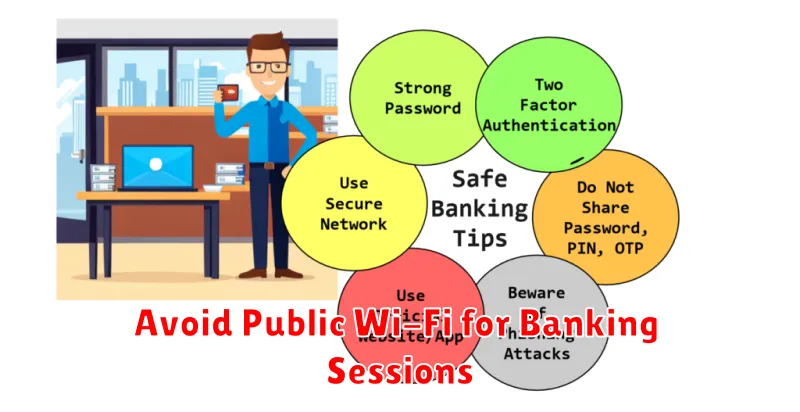
Public Wi-Fi hotspots, while convenient, pose a significant security risk for online banking. These networks are often unsecured, making your data vulnerable to interception by cybercriminals. They can easily eavesdrop on your connection and steal sensitive information like usernames, passwords, and even account numbers.
Always use a secure, private network when accessing your banking information online. If you must use public Wi-Fi, consider using a virtual private network (VPN). A VPN encrypts your internet traffic, adding an extra layer of security and making it much harder for hackers to steal your data.
Recognize and Avoid Phishing Scams
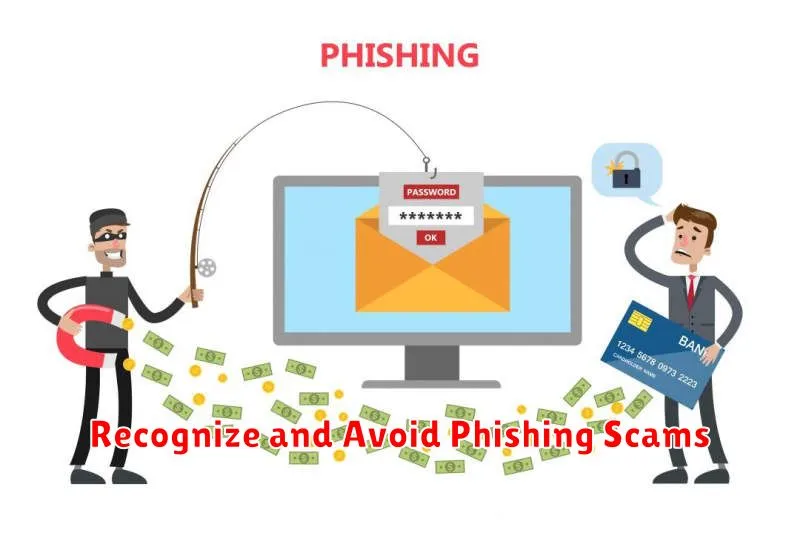
Phishing scams are attempts to trick you into revealing sensitive information such as usernames, passwords, and credit card details. Recognize these scams by looking for suspicious emails, text messages, or websites that mimic legitimate institutions. These messages often create a sense of urgency, demanding immediate action.
Avoid phishing attacks by never clicking on links or opening attachments from unknown senders. Always verify the sender’s address and look for poor grammar or spelling, which are common indicators of phishing attempts. Directly type in the website address of your bank or financial institution rather than clicking a provided link.
Keep Your Devices and Apps Updated
Regularly updating your devices and banking apps is crucial for maintaining strong security. Software updates often include critical security patches that address known vulnerabilities. Failing to update leaves your devices susceptible to malware and attacks that could compromise your banking information.
Enable automatic updates whenever possible. This ensures you receive the latest protections as soon as they’re available. For apps, visit your device’s app store to check for and install updates.
Monitor Your Account Regularly
Regularly monitoring your online banking accounts is crucial for detecting any unauthorized activity quickly. Make it a habit to check your account balance and transaction history at least once a week, if not more frequently.
Look for any transactions you don’t recognize. If you find something suspicious, report it to your bank immediately. Setting up account alerts can also be beneficial. These alerts can notify you of specific activities, such as large withdrawals or password changes, providing an extra layer of security.
What to Do If You Suspect Fraud
If you suspect fraudulent activity on your online banking account, take immediate action. Contact your bank directly through their official customer service number. Do not use contact information found in suspicious emails or texts.
Change your password immediately to a strong, unique password. Review your recent transactions carefully and report any unauthorized activity to your bank. Monitor your account closely for further suspicious activity.
