
Online banking offers unparalleled convenience in managing finances, allowing users to pay bills, transfer funds, and monitor accounts with ease. However, the very convenience that makes online banking so appealing can also lead to common mistakes, potentially jeopardizing financial security. This article will explore some of the most frequent errors people make with online banking, providing insights into how to avoid these pitfalls and maintain a secure online financial presence. Learning about these common mistakes can significantly enhance your online banking security.
From neglecting to update passwords regularly to falling prey to phishing scams, understanding the risks is the first step towards mitigating them. We will delve into the specifics of these common mistakes, exploring the dangers of using public Wi-Fi for online banking, the importance of verifying website security, and the necessity of keeping your antivirus software up to date. Protecting your financial information requires vigilance and awareness, and by recognizing these common mistakes, you can take proactive steps to safeguard your assets while enjoying the benefits of online banking.
Using Weak or Reused Passwords
One of the most common and dangerous mistakes in online banking is using weak or reused passwords. Weak passwords are short, easy to guess, or based on common personal information. Reused passwords are those used across multiple online accounts. If one account is compromised, all accounts using that password become vulnerable.
Strong passwords are lengthy, complex, and unique to each account. They often incorporate a mix of uppercase and lowercase letters, numbers, and symbols. Consider using a password manager to generate and securely store strong, unique passwords.
Ignoring Suspicious Emails or Links
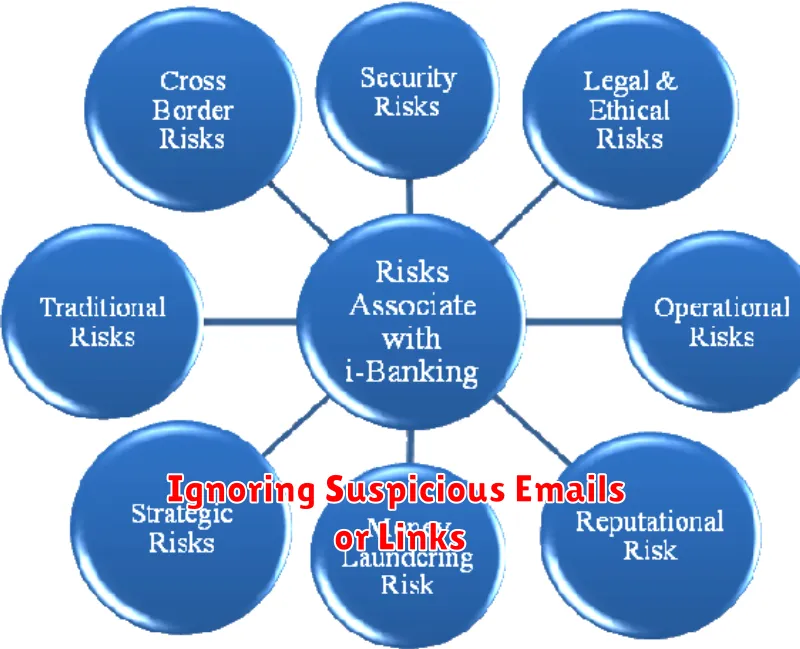
A prevalent mistake is ignoring suspicious emails or links purportedly from your bank. Phishing attacks often employ deceptive emails and websites that mimic legitimate banking platforms. These aim to steal your login credentials, account numbers, and other sensitive data.
Never click on links in unsolicited emails or text messages claiming to be from your bank. Always access your online banking portal directly by typing the official URL into your browser or using a trusted bookmark.
Be wary of emails requesting personal information, especially login credentials or security codes. Legitimate banks rarely, if ever, request this information via email.
Skipping App or Software Updates
One common mistake is neglecting app or software updates for online banking platforms. These updates often include critical security patches that protect against newly discovered vulnerabilities.
Failing to update leaves your device susceptible to malware and other threats that could compromise your banking information. Always install updates promptly to benefit from the latest security enhancements.
Using Unsecured Devices to Log In
Logging into your online banking account from unsecured devices poses a significant security risk. Public computers, or even a friend’s device, may contain malware that can steal your credentials.
These compromised devices might have keyloggers that record every keystroke, capturing your username and password. Additionally, they could be infected with spyware that monitors your online activity, including your banking transactions. Using such devices exposes your sensitive financial information to potential theft.
Not Setting Up Account Alerts
A significant oversight in online banking is neglecting to activate account alerts. These crucial notifications provide real-time updates about your account activity, acting as an early warning system against fraud and errors.
Alerts can inform you of low balances, large withdrawals, password changes, and suspicious login attempts. By receiving these timely updates, you can quickly react to unauthorized activity and protect your finances. Setting up alerts is usually straightforward through your online banking platform. Take the time to configure them according to your needs. This proactive measure adds a vital layer of security to your online banking experience.
Sharing Login Info with Others
One of the most dangerous mistakes in online banking is sharing your login credentials. This includes your username, password, PIN, and any security questions or answers.
Giving someone else access, even someone you trust, significantly increases your risk of fraud and identity theft. They could misuse your account, make unauthorized transactions, or even compromise your other online accounts. Never share this information with anyone, regardless of the circumstances.
Failing to Review Account Activity
Regularly reviewing your online banking activity is crucial for maintaining security and accuracy. Failing to do so can leave you vulnerable to fraud and errors that may go unnoticed for extended periods.
Recommended practice is to review transactions at least once a week, if not more frequently. This allows you to quickly identify any unauthorized transactions or discrepancies and report them promptly to your financial institution.
