
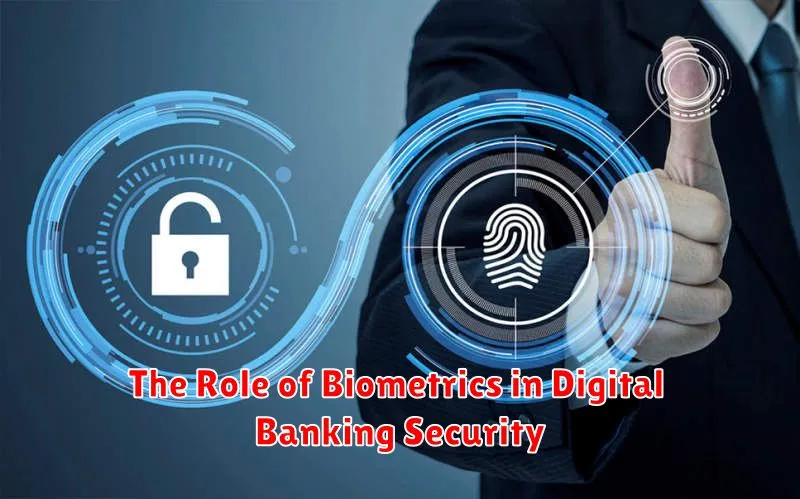
In today’s rapidly evolving digital landscape, ensuring the security of digital banking platforms is paramount. Traditional security measures, such as passwords and PINs, are increasingly vulnerable to sophisticated cyberattacks. This necessitates the exploration and implementation of more robust security solutions. Biometrics, the automated recognition of individuals based on their unique biological and behavioral traits, offers a promising avenue for enhancing digital banking security and mitigating fraud. This article delves into the crucial role of biometrics in transforming the security landscape of digital banking.
Biometric authentication provides a higher level of security compared to traditional methods by leveraging distinct physiological and behavioral characteristics. These include fingerprint scanning, facial recognition, voice recognition, and iris scanning. By integrating biometrics into digital banking platforms, financial institutions can strengthen security, streamline customer authentication, and enhance the overall user experience. We will explore the various biometric technologies available, their applications in digital banking, and the potential benefits and challenges associated with their adoption.
What Are Biometrics in Banking?
Biometrics in banking refers to the use of unique physical or behavioral characteristics to authenticate and verify customer identity. These characteristics, unlike passwords or PINs, are incredibly difficult to forge or replicate. Biometric authentication provides an added layer of security, streamlining transactions and reducing fraud risk.
Examples of common biometric identifiers used in banking include fingerprints, facial recognition, voice recognition, and iris scanning. These identifiers are used for various purposes, such as logging into mobile banking apps, authorizing transactions, and accessing secure vaults.
Types of Biometric Authentication
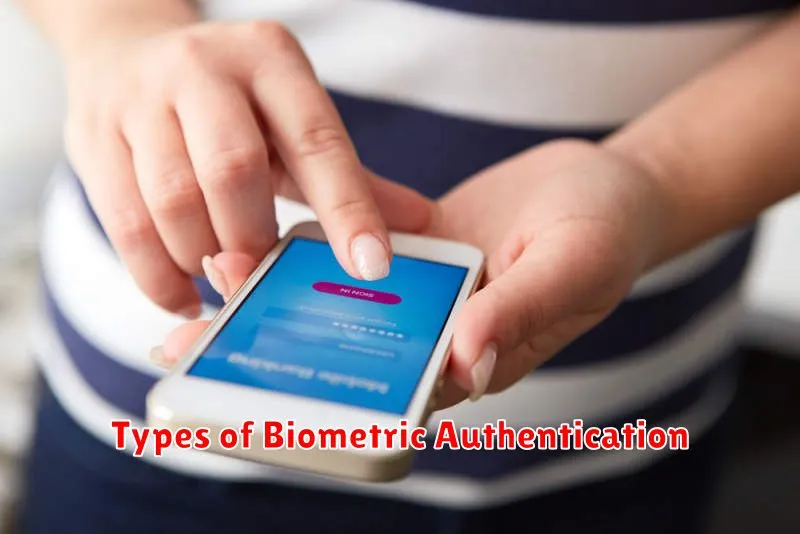
Several biometric methods enhance security in digital banking. Fingerprint scanning is widely adopted, using unique fingerprint patterns for authentication. Facial recognition analyzes facial features, while iris scanning examines the unique patterns in the colored part of the eye. Voice recognition verifies identity based on vocal characteristics. Less common but emerging technologies include vein recognition which maps vein patterns and behavioral biometrics analyzing typing patterns or how a user interacts with their device.
Benefits Over Traditional Passwords
Biometrics offers significant advantages over traditional passwords in enhancing digital banking security. Uniqueness is a key benefit, as each individual possesses distinct biometric traits, unlike passwords that can be shared or guessed. This inherent individuality dramatically reduces the risk of unauthorized access.
Enhanced Security stems from the difficulty in replicating biometric data. Compared to passwords, which can be stolen or phished, biometrics provide a more robust defense against fraudulent activities. This added layer of protection instills greater user confidence and trust in digital banking platforms.
Improved User Experience is another advantage. Biometrics eliminates the need to remember complex passwords, simplifying the login process and reducing friction for users. This convenience encourages adoption and contributes to a more seamless and efficient banking experience.
Privacy and Data Security Concerns
While biometrics offer enhanced security, they raise valid privacy and data security concerns. Data breaches involving biometric data are particularly troubling, as this information is immutable and cannot be changed like a password. Compromised biometric data poses a lifelong risk to individuals.
Furthermore, the collection and storage of biometric data raise questions about data ownership, potential misuse, and the possibility of unauthorized access. Robust security measures and stringent regulations are crucial to mitigate these risks and maintain user trust.
How Digital Banks Implement Biometrics
Digital banks leverage biometrics at various stages of the customer journey. Authentication is a primary use case, employing fingerprint and facial recognition for login and transaction authorization. This replaces traditional passwords, adding a layer of security.
Onboarding processes are also streamlined with biometrics. Identity verification using facial recognition against government-issued IDs allows for faster account opening. Furthermore, some institutions utilize voice recognition for customer service interactions, improving efficiency and personalization.
Best Practices for Users
While biometrics offer enhanced security, users must remain vigilant. Create strong, unique passcodes as a backup for biometric authentication.
Avoid using easily guessed biometric data, such as common fingerprints or facial expressions. Be cautious of phishing attempts that try to trick you into sharing biometric information. Regularly update your device’s software and security patches to protect against vulnerabilities.
Finally, report any suspicious activity related to your biometric login immediately to your financial institution.
Future of Biometric Tech in Finance
The future of biometrics in finance promises enhanced security and a seamless customer experience. Behavioral biometrics, analyzing typing patterns and mouse movements, is gaining traction. This complements physiological methods like fingerprint and facial recognition, creating more robust authentication.
Multi-factor biometric authentication, combining several biometric modalities, will likely become standard. This approach significantly reduces fraud risk. We’ll see wider adoption of biometric digital identities, simplifying KYC processes and enabling quicker access to financial services.
